
A dog limping after a bad landing at the park, a cat swallowing a foreign object on a Sunday evening: the veterinary bill arrives unexpectedly and often exceeds several hundred euros. Pet insurance helps cover this type of expense, but its real value depends on three mechanisms that most contracts do not highlight.
Deductible, ceiling, and waiting period: the trio that determines your out-of-pocket costs
Before comparing monthly rates, it is essential to understand how a pet insurance contract calculates what it truly reimburses. Three parameters work together, and ignoring them is like choosing a contract blindly.
The annual deductible is the amount you pay out of pocket before any reimbursement. If your deductible is high and your pet only visits the vet once a year, the contract will not reimburse you anything.
The annual reimbursement ceiling sets the maximum limit paid by the insurer over twelve months. A major surgery can consume the entire ceiling in a single procedure. Any excess remains your responsibility.
The waiting period refers to the time following the subscription during which no claims are covered. This period varies by contract and type of care (accident or illness). A pet insured the day before a surgery will not be covered.
The combined impact of these three parameters determines your actual out-of-pocket costs. Comparing two contracts solely based on the displayed reimbursement rate (60%, 80%, 100%) makes no sense without checking the deductible and ceiling that frame it. To better understand the differences between plans, Planète Animaux insurance details the criteria to examine before committing.
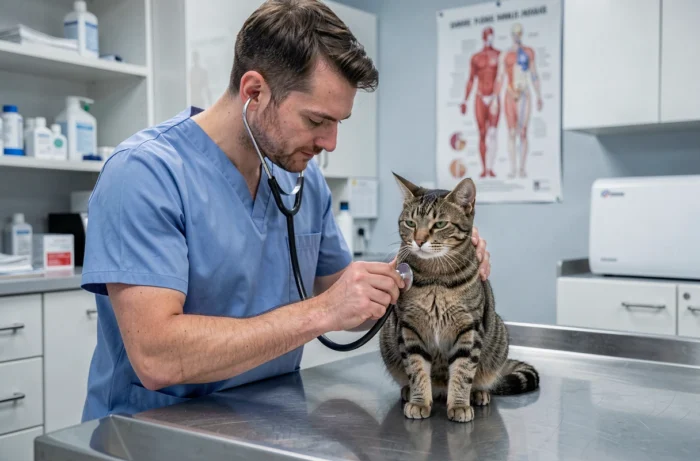
Veterinary care covered by pet insurance: accidents, illnesses, and prevention
You might think that insurance is only useful in the event of a serious accident. In practice, contracts cover a broader spectrum, and it is often with routine care that profitability is determined.
Accidents and surgeries
This is the foundation of any plan, even the most basic. Fractures, ingestion of an object, bites from another animal: emergency consultations, imaging, and surgical intervention are generally covered. These items represent the heaviest bills.
Common and chronic illnesses
Intermediate and comprehensive plans also reimburse consultations related to an illness. Some breeds are predisposed to costly pathologies (joint problems, kidney failure, skin allergies). Without coverage, the regular follow-up of a chronic illness can heavily impact the annual budget.
Prevention and routine care
Some contracts include a prevention package that contributes to the funding of vaccinations, deworming, or dental cleanings. This package remains modest, but it encourages regular visits to the veterinarian. A regularly monitored animal develops fewer serious complications.
Here are the types of expenses generally covered according to the plan level:
- Basic plan: consultations and surgeries related to accidents, sometimes associated medications
- Intermediate plan: accidents and illnesses, medical analyses, imaging, prescription medications
- Comprehensive plan: everything mentioned above, plus a prevention package (vaccinations, sterilization, annual health check-up)
Pet age and contract price: subscribing at the right time
The age at subscription directly influences the price and conditions of the contract. A puppy or kitten insured from its first months benefits from lower premiums and fewer exclusions. Conversely, an older animal costs more to insure, and some insurers simply refuse coverage for animals beyond a certain age.
The market in 2026 shows a real segmentation of rates based on age, breed, and level of coverage chosen. There is no reliable “average price”: the dispersion is too significant from one profile to another. A small apartment cat and a French bulldog will not receive the same quote, even with the same plan.
Here are some concrete guidelines for choosing the right time:
- Subscribing before the first two or three years helps avoid exclusions related to medical history
- An animal already treated for a condition risks having that condition excluded from the contract
- Check the maximum age for enrollment before delaying the decision: past this threshold, enrollment becomes impossible

Optional pet insurance: what the regulations say
There is no legal obligation to insure the health of your dog or cat. Pet health insurance remains entirely optional, even if some online content leaves room for doubt.
The only obligation concerns liability insurance for category dogs (attack and guard dogs), which falls under a different type of contract. This insurance covers damages caused to third parties, not the veterinary expenses of the animal.
The optional nature does not diminish the value of health insurance. It simply means that the decision must be based on a personal analysis: the health status of the animal, available budget, ability to absorb an unexpected bill of several hundred euros.
Cancelling your pet insurance contract: the conditions to know
Before subscribing, also check the exit conditions. A contract that commits for a year with tacit renewal can become burdensome if the guarantees no longer match your needs.
Cancellation is governed by the general conditions of the contract. Some insurers require a two-month notice before the anniversary date. Others allow cancellation at any time after the first year, in accordance with recent changes in consumer law.
In the event of death or loss of the insured animal, the contract ends. The terms vary from one insurer to another, but most stop the deductions as soon as they receive the veterinary proof.
Choosing pet insurance is not just about a reimbursement rate displayed prominently on a commercial page. The real indicator is the out-of-pocket cost after the deductible, within the ceiling limit, once the waiting period has passed. Three figures to read before signing, not after the first bill.