
Since September 1, 2026, the framework for renovation aid has been profoundly restructured. Decree No. 2026-822 of August 25, 2026, has removed, in the “by gesture” pathway of MaPrimeRénov’, the isolated funding for several common operations such as insulation, windows, or wood heating.
For anyone considering renovation work at home, this reform changes the game. It requires rethinking the project’s timeline, financial setup, and level of ambition from the outset.
MaPrimeRénov’ 2026 Reform: What Disrupts Construction Planning
Before September 2026, a homeowner could insulate their attic or replace a window while benefiting from unitary aid. This is no longer the case. Common single gestures are no longer funded separately: insulation, ventilation, thermodynamic water heaters, solar thermal equipment, and wood heating appliances are excluded from the “by gesture” pathway.
These works remain potentially eligible for aid, but only when integrated into a large-scale renovation. In practical terms, this means that the application must include at least two categories of insulation and aim for a minimum gain of two classes on the energy performance certificate (DPE). For a single-family home, retaining gas heating after the work may even exclude the project from the scheme.
This refocusing requires viewing renovation as a measurable performance project, rather than a simple addition of isolated interventions. Managing the work through Direct Home helps structure this comprehensive approach from the diagnostic phase.
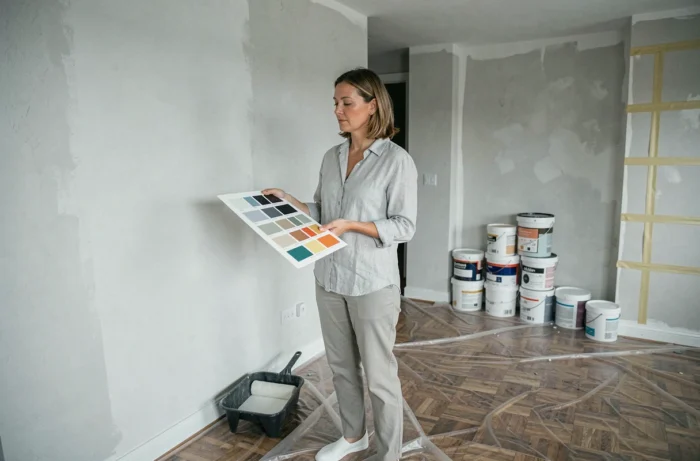
Financial Timeline of the Renovation Project: Submission Date as a Pivot
The submission date for the MaPrimeRénov’ application has become a critical point. Starting work before submitting the application, or submitting after a change in the scale, can result in losing the entire aid. Field reports vary on this point: some homeowners report refusals for applications submitted just days after the start of the work, while others have obtained exemptions by justifying a previously signed quote.
For a property rated F or G on the DPE, the pressure is twofold. The gradual ban on renting energy-inefficient homes makes the work urgent, but the reform requires assembling a more complex application than before. The realistic timeline for a large-scale renovation project, from the first France Rénov’ appointment, the energy audit, the submission of the application, to the actual start of the work, often exceeds several months.
Sequencing Administrative Steps
One point that classic guides underestimate: the processing time for applications by Anah varies greatly depending on the periods. Submitting at the beginning of a quarter, just after a reform, exposes one to extended delays. It is wiser to allow for a margin in the overall schedule.
Moreover, Anah’s budget has been reduced, which could increase the selectivity of funded applications. The available data does not yet allow for measuring the precise impact of this decrease on processing times.
Home Renovation Budget: Balancing Energy Performance and Actual Envelope
The temptation, in light of the removal of funded single gestures, is to inflate the project’s scope to fit into the framework of large-scale renovation. This makes sense on paper, but it poses a concrete problem: the remaining costs mechanically increase with the project’s ambition.
Three financial levers deserve evaluation before finalizing the scope of work:
- The zero-interest eco-loan (éco-PTZ), which can cover a significant part of the remaining costs without interest, provided the property and the planned work are eligible.
- Energy savings certificates (CEE), the amounts of which have tended to decrease in recent months according to several market analyses.
- Local aids (region, department, intercommunal), which vary greatly from one territory to another and are rarely integrated into national simulators.
An energy audit conducted in advance allows for prioritizing items based on their cost/performance gain ratio. Insulating the roof remains almost always the gesture with the best energy yield, but the reform requires coupling it with other interventions to trigger the aid.
The Trap of the Single Quote
Consolidating all lots with a single provider simplifies coordination but reduces negotiation capacity. On the other hand, using multiple craftsmen requires rigorous project management to respect the logical order of interventions: structural work, insulation, ventilation, then finishes.

Site Monitoring and Work Acceptance: Often Neglected Checks
The acceptance of work is a legal act, not a mere formality. It is at this moment that the owner can raise reservations about observed defects, which triggers the obligation for the craftsman to rectify. Without a signed acceptance report, legal guarantees do not apply.
For a large-scale renovation, the verification is not limited to visual aspects. The post-work DPE must confirm the expected class gain in the MaPrimeRénov’ application. If the result is below the target, the aid may be reduced or subject to partial reimbursement.
Some control points not to overlook:
- Check the compliance of the insulation installed against the specifications of the quote (thickness, thermal resistance, material certification).
- Test the proper functioning of mechanical ventilation after insulation to avoid humidity problems that frequently arise in the months following the work.
- Keep all invoices and RGE certificates from the craftsmen, documents required for the final payment of the aid.
The current regulatory framework makes renovation more demanding to set up, but also more structuring for the value of the property. A well-sequenced project, submitted at the right time and verified upon acceptance, remains the best way to secure comfort, energy performance, and financial investment.